
Newsletter; May 2025
THE GREEN COLUMN
6,000 Ramadan Packages Distributed by Smallholders Using RSPO Credits


Sebelumnya
Selanjutnya
Ramadan and Eid al-Fitr are cherished moments for strengthening bonds and spreading joy values embraced by sustainable palm oil smallholders across Indonesia.
One heartwarming tradition during the holy month is the distribution of Ramadan or Eid hampers. These packages not only symbolize care and gratitude but also represent the achievements of smallholders who have adopted sustainable palm oil practices.
The group of smallholder certified of RSPO prioritized shasring festive joy through holiday packages for their members. This effort serves as a form of social responsibility referred to as SSR (Smallholders’ Social Responsibility) much like the CSR programs implemented by large corporations.
In Ramadan 2025, numerous smallholder groups under the Indonesian Sustainable Palm Oil Smallholders Forum (FORTASBI) distributed thousands of Ramadan packages funded entirely from RSPO credits and internal resources. These packages were aimed at members and surrounding communities, especially those in need.
According to data from the FORTASBI Secretariat, a total of 6,472 Ramadan packages were distributed by 20 RSPO-certified cooperatives and associations. Each package contained essential goods for celebrating Eid al-Fitr, such as cookies, snacks, beverages, and staple foods. The total budget for these packages reached IDR 1.59 billion, fully sourced from RSPO credits received in 2024.
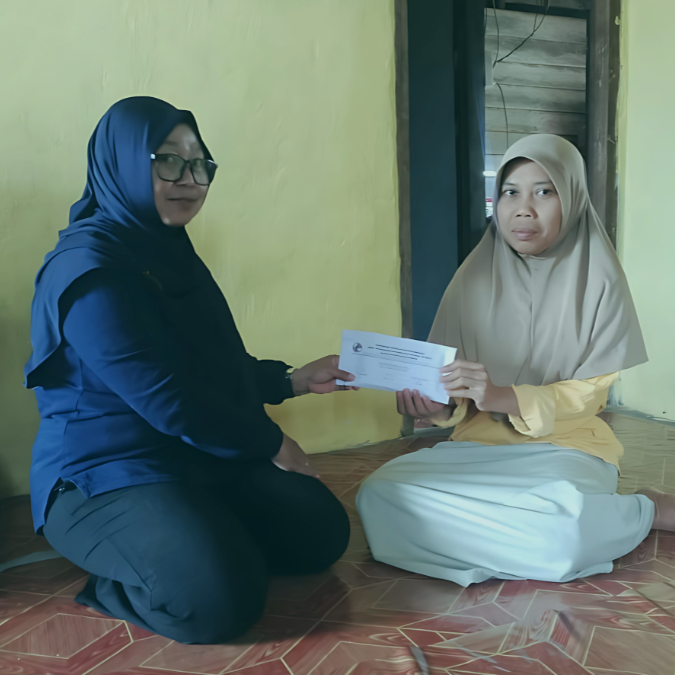
KUD Tri Daya, located in Karang Tunggal Parenggean Village, Parenggean Sub-district, East Kotawaringin Regency, Central Kalimantan Province, distributed Ramadan packages to 270 individuals, including 210 cooperative members participating in certification programs and 60 underprivileged individuals such as orphans, single parents, and elderly residents.
Each Ramadan package provided by KUD Tri Daya contained 5 kilograms of rice, 1 kilogram of sugar, 2 liters of cooking oil, one crate of eggs, and milk. In addition to the Ramadan packages, the cooperative, which has held RSPO certification for two years, also distributed credit funds to 210 members, with a total amount of IDR 80 million.


Sebelumnya
Selanjutnya


Sebelumnya
Selanjutnya
In early 2025, KUD Tri Daya received IDR 750 million in RSPO credits a significant amount for a cooperative. These funds were allocated for members’ benefits through package distribution and cash support, while also being set aside for ICS administrative needs, surveillance audit preparation, member training, cooperative business capital, and Personal Protective Equipment (PPE) for members and field workers.
In addition to Tri Daya, a similar initiative was carried out by KSU Karya Indah, located in Wahau Baru, Muara Wahau, East Kutai Regency, East Kalimantan. This year, the cooperative distributed 550 Eid packages containing 10 kilograms of premium rice, along with a variety of traditional cookies and festive beverages.
KSU Karya Indah allocated the Eid packages using funds from the RSPO credit received in 2025, with the number of packages increasing by 100 compared to 2024.
A similar initiative was also carried out by Koperasi Sawit Bangkit in Central Kalimantan, which distributed 400 packages containing rice, cooking oil, instant noodles, sugar, and tea.
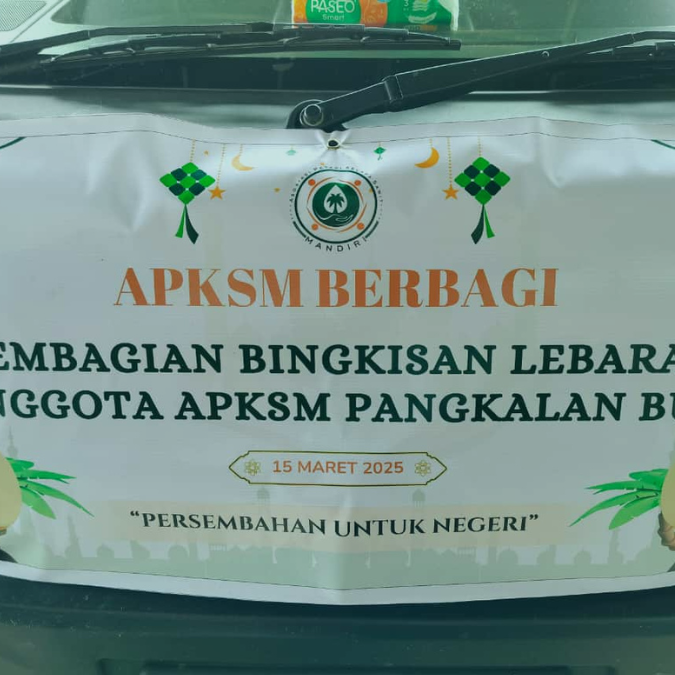
APKSM, based in Pangkalanbun, Kotawaringin Barat, distributed 750 Eid hampers including rice, sugar, milk, oil, coffee, syrup, and various cookies. This annual program has become a key community initiative for APKSM.
Some cooperatives also used internal funds to distribute Eid packages. Koperasi Jasa Usaha Tani Sejahtera, for instance, provided 343 packages from its own resources to assist smallholders with holiday expenses.
Smallholder groups distributing Ramadan packages included:
- Koperasi Jasa Usaha Tani Sejahtera: 343 packages
- APKSM: 750 packages
- KSU Karya Indah: 550 packages
- Koperasi Sawit Bangkit: 200 packages
- KUD Tri Daya: 270 packages
- KUD Karya Mulya: 510 packages
- Koperasi Jasa Makarti: 228 packages
- Koperasi Perkebunan Belayan Sejahtera: 268 packages
- Asosiasi Cahaya Putera Harapan: 520 packages
- KUD Makarti: 340 packages
- BUMDes Karya Mandala Makmur: 414 packages
- KUD Tani Subur: 200 packages
- Koperasi Pertanian Sumber Rezeki: 475 packages
- Asosiasi Petani Swadaya Amanah: 210 packages
- KUD Karya Tani: 350 packages
- KPUD Lestari: 194 packages
- Gapoktan Tanjung Sehati: 200 packages
- APBML: 450 packages
- Koperasi Pertanian Sumber Rezeki: 550 packages (listed twice)


Sebelumnya
Selanjutnya
These festive packages convey messages of solidarity and togetherness. They serve as a tangible reminder of smallholders’ commitment to environmental stewardship and help strengthen emotional bonds within the community.
Importantly, the packages were not limited to cooperative members but also extended to neighboring communities near operational centers, with the hope of spreading the benefits of sustainable palm oil and inspiring broader adoption of good agricultural practices.
Fortasbi Strengthening the Program "Smallholder support Smallholder" to Accelerate RSPO Certification


Sebelumnya
Selanjutnya
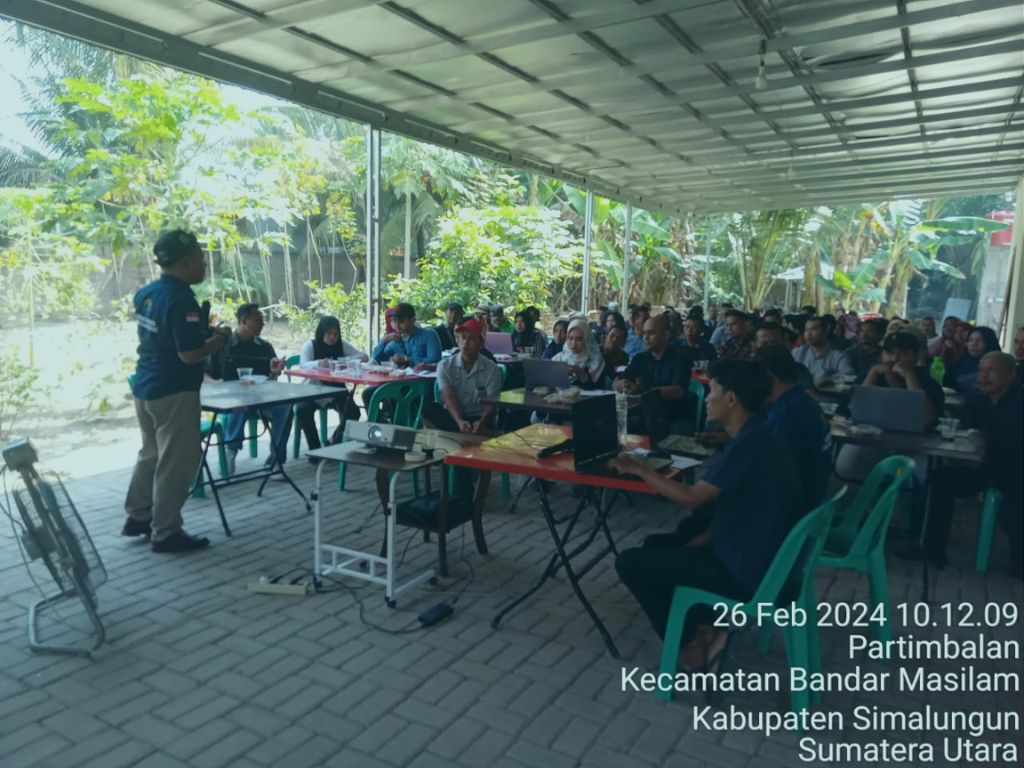
Eight smallholder facilitators from KPUD Lestari are actively conducting daily training and mentoring sessions for 1,558 smallholders across Simalungun, Batubara, and Asahan districts. This initiative, which began in 2023, is part of FORTASBI’s “Smallholders Supporting Smallholders” program.
“We want to be the driving force behind sustainable palm oil in North Sumatra and ensure that other smallholders can have the same opportunities we’ve had,” said Jumadi, Field Coordinator of the facilitation program.
The mentoring program is supported by SNV and Unilever. It aims not only to assist smallholders in achieving RSPO certification but also to promote regenerative agriculture practices.
As of March 2025, 1,558 smallholders had participated in regenerative farming training. These sessions help smallholders go beyond good agricultural practices to learn how to preserve and regenerate soil for long-term use.
Similarly, PPMH in Ketapang Regency is supporting 5,000 smallholders over four years to achieve RSPO certification. Led by three dedicated PPMH facilitators, the initiative is backed by Rainforest Alliance and local palm oil company BGA.
“We’re grateful to share knowledge with fellow smallholders here. With support from Rainforest Alliance and BGA, we’re helping more smallholders join RSPO certification,” said Triyanto from PPMH.
FORTASBI’s Smallholders Supporting Smallholders program began in 2020 in Riau and North Sumatra and has proven effective in accelerating the adoption of RSPO standards. By involving certified smallholders in mentoring others, the initiative ensures more inclusive and sustainable palm oil production across Indonesia.
This is an effective way to accelerate the implementation of sustainable palm oil standards by involving certified smallholders in mentoring and training other smallholders.


Sebelumnya
Selanjutnya
Newsletter January 2025
Download Now!946 Downloads
- (0251) 8365959
- admin@fortasbi.org
- Jl. Artzimar III No.13B, Kec. Bogor Utara, Kota Bogor, Jawa Barat 16152