
Newsletter; November 2025
THE GREEN COLUMN
FORTASBI, RSPO, and WRI Award 10 Credit Buyers
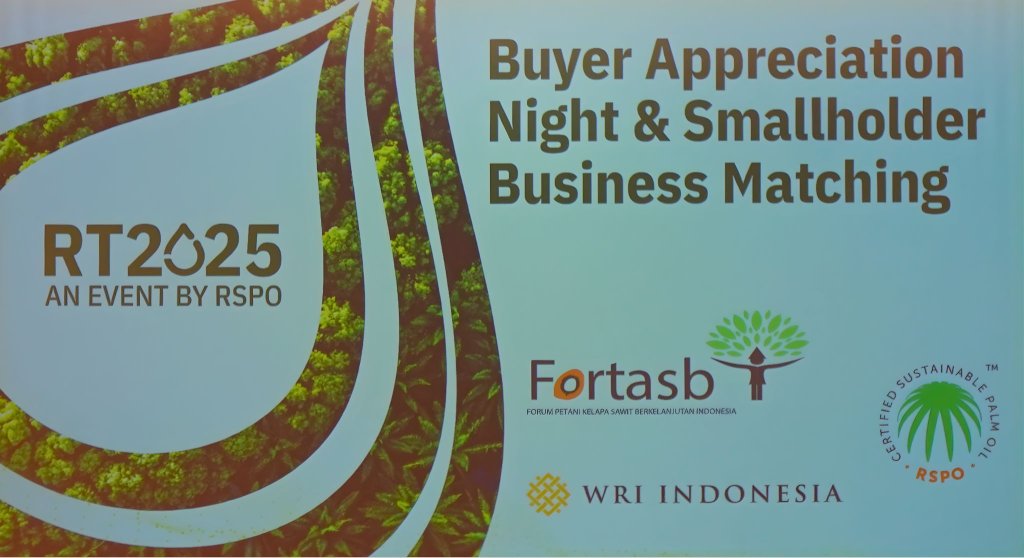
On the sidelines of RT 2025 in Kuala Lumpur on November 3 – 5, 2025, an exciting session was held, an appreciation evening dedicated to credit buyers throughout 2024 – 2025. The event was held at the Shangri-La Hotel on November 4, 2025. It was a collaboration between FORTASBI, RSPO, and WRI.
This appreciation evening was dedicated to buyers who, during this critical time, continue to support and purchase credits from smallholders despite plummeting credit prices, a declining number of buyers, and numerous issues with the PRISMA application.

These 10 buyers remain committed to purchasing credits from smallholders. The 10 institutions or buyers who received recognition are:
- Nestlé S.A.
- Unilever Asia Private Limited
- Kao Corporation
- AchieveNow B.V.
- Procter & Gamble
- SC Johnson and Son, Inc.
- Clariant International Ltd.
- McCormick & Company Incorporated
- Felleskøpet Agri SA
- PepsiCo
Six of the ten credit buyers were present to receive their trophies in person, including Nestlé, Unilever, KAO, AchieveNow, Procter & Gamble, and PepsiCo.
This appreciation night marked the fourth edition. Initially initiated by FORTASBI, it has since evolved to include the participation of smallholders from various countries. Therefore, this year’s appreciation night was not only focused on credit buyers from Indonesian smallholders but also included credit buyers from other countries. For this reason, collaboration with RSPO was crucial to ensure RSPO-certified smallholders from different countries were involved in the trophy presentation.
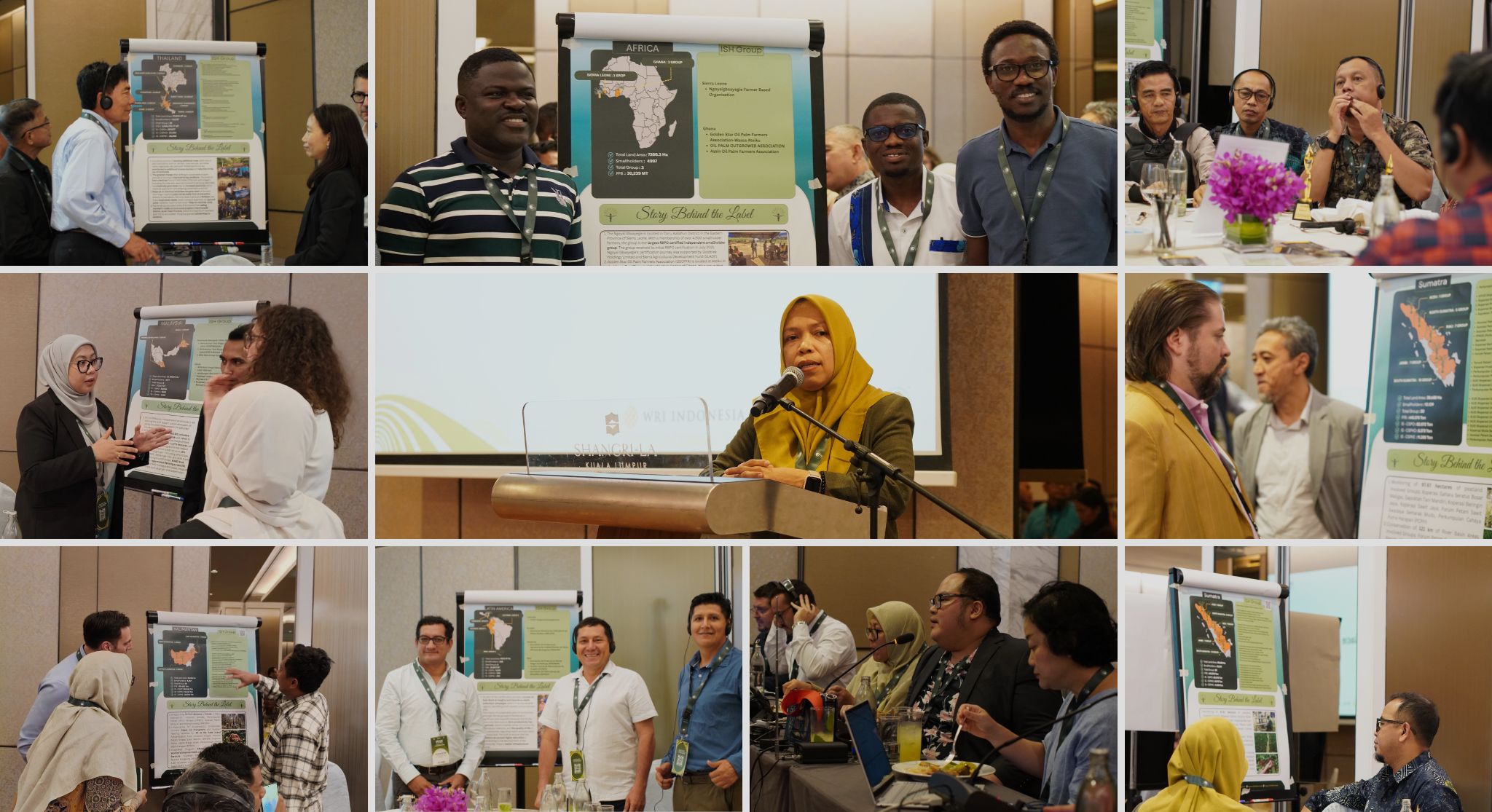
In addition to awarding buyers, there was also a business matching session aimed at providing buyers with information about the positive stories behind the RSPO label and how credits are used. There were seven tables, including Sumatra, Kalimantan, Malaysia, the Musim Mas Project, Thailand, Latin America, and Africa, each presenting an interesting story about certification, its impact, and how smallholders use credits. Buyers rotated and engaged in direct dialogue with smallholders at each table. This session allowed smallholders to interact directly with buyers and share how they use the credits. Such sessions will be held annually to help buyers better understand how RSPO credits are utilized by smallholders.
Buyer credits have protected 1,246 hectares of river buffer zones, preserved 157.02 hectares of forest, contributed to the adoption and protection of 13 orangutans, provided scholarships for 720 smallholders children, and supported the construction of new offices for 12 cooperatives. “Credits not only encourage palm oil production but also empower farmers to implement Smallholder Social Responsibility (SSR) programs,” said Rukaiyah Rafik, Head of the FORTASBI Secretariat.
RT2025: What the "Sustainability Action"
to Incentives Smallholders?

Approximately 30 RSPO-certified smallholders, members of the Forum Petani Kelapa Sawit Berkelanjutan (FORTASBI), attended the annual RSPO Roundtable Conference on Sustainable Palm Oil (RT2025), held at the Shangri-La Kuala Lumpur, Malaysia, from November 3-5, 2025.
This forum, which brought together various stakeholders in sustainable palm oil, is expected to strengthen collaboration and the tangible impact of certification, especially for smallholders, including credit incentives.
Many issues pose challenges to the future of certification, including ensuring the long-term well-being of smallholder and plantation communities and ensuring a fair and inclusive palm oil plantation system.
The smallholders concern regarding credit sales, rising audit costs, the suboptimal use of PRISMA application technology, and even the audit process, particularly disclosure, which can take longer, must be addressed and solutions sought as a step towards stronger collaboration.
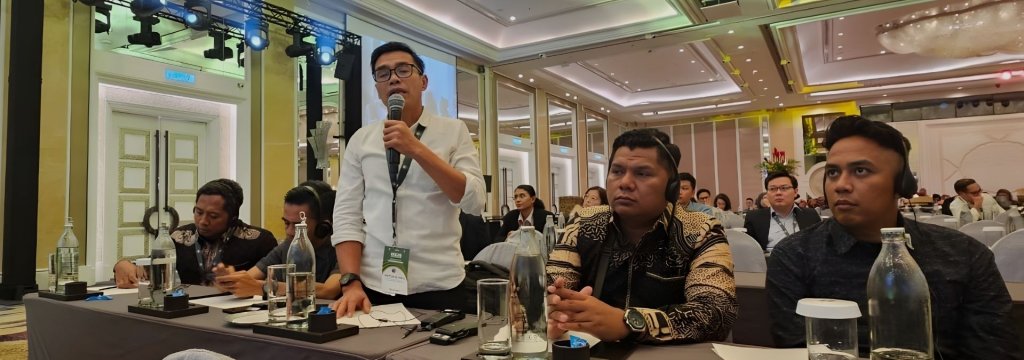
Antonius Anyu, Chairman of the Advisory Board Forum Petani Berkelanjutan Indonesia (FORTASBI), and General Manager of the Keling Kumang Palm Oil Smallholder Association (APKSKK) in Sekadau, West Kalimantan, explained that many issues must be addressed and solutions sought to ensure sustainable palm oil certification remains attractive to smallholders.
The RSPO and stakeholders in sustainable palm oil must be able to make breakthroughs by taking various initiatives, particularly to address the issues of credit marketing and declining prices amidst rising fresh fruit bunch (FFB) prices.
Anyu said that the application of technology, the latest principles and criteria must also be supported by preparing a fair and inclusive credit market for smallholders. The RSPO must seek alternative incentives for smallholders. Using Remediation and Compensation Procedure (RACP) funds could be an alternative option to provide incentives for smallholders.
Companies can use RaCP funds to support RSPO-certified smallholders with innovative programs such as forest protection, rehabilitation, and low-carbon palm oil production. This proposal is not to disregard the forest protection scheme through RaCP funding, but rather to complement the existing scheme.
This way, smallholders receive benefits beyond credit, and this scheme can encourage smallholders to take protection and restoration measures as a commitment to sustainable palm oil.
Influencing Young Generation, FORTASBI Involves Two Content Creators in the RT2025

In an effort to expand its influence and engage the younger generation in sustainability issues in the palm oil sector, the Forum Petani Kelapa Sawit Berkelanjutan Indonesia (FORTASBI) is involving two young content creators in this year’s annual Roundtable on Sustainable Palm Oil (RSPO) event (RT 2025).
These two content creators are the winners of the young content creator competition held by FORTASBI on September 25-27, 2025, in Palangkaraya, Central Kalimantan. The participation of these two content creators is sponsored by the RSPO Youth program and FORTASBI.
This step is part of FORTASBI’s strategy to bridge the world of farmers with a wider audience, especially young people who are active on social media. Through a `creative approach and a fresher communication style, FORTASBI hopes that messages about the importance of sustainability, justice, and the role of smallholders will be more easily understood and appreciated by a new generation.
Another message we want to convey is the positive stories of RSPO certified smallholders. Until now, young people have only known that palm oil is a source of deforestation, but in fact, there are many compelling stories of smallholders who have begun to shift their plantation management practices from conventional to sustainable ones.
Until now, the issue of sustainable palm oil has often been considered complex and distant from the daily lives of young people. Yet, if we look closely, palm oil is a constant companion in young people’s daily lives, from waking up to going to bed. Whether it’s skincare, hanging out at cafes, or getting treatments at salons, palm oil is always present.
“Therefore, it’s necessary to educate young people that palm oil isn’t always bad. By featuring content creators, we want to create a more inclusive dialogue,” said Alwan Ridha, Communications Team Member for FORTASBI.
In addition to producing coverage and creative content on social media, they also participate in discussion sessions in the RSPO Youth program. Their presence is expected to showcase a new face of FORTASBI that is more open, modern, and communicative, without abandoning the spirit of smallholders that is at the core of the organization.
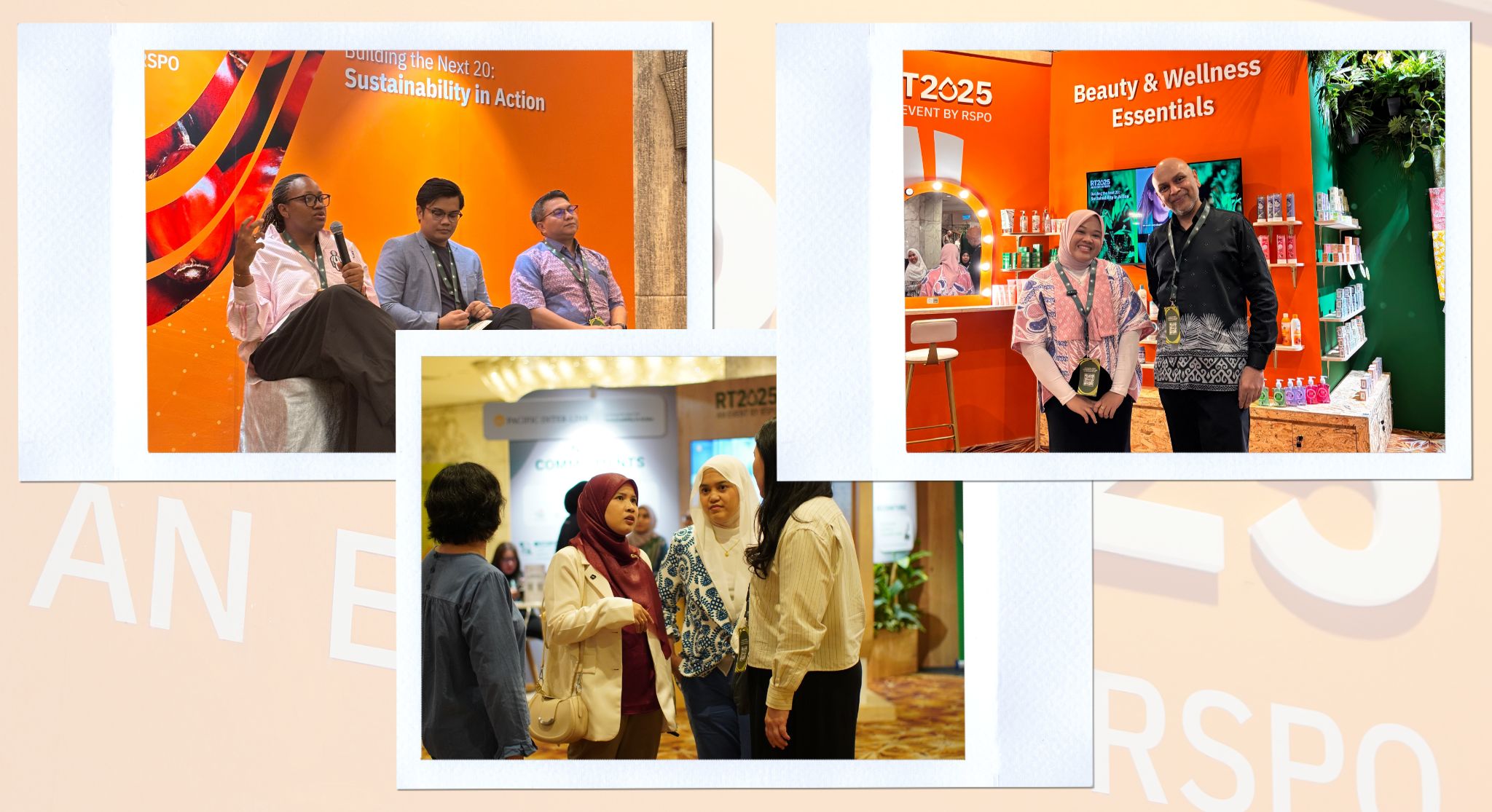
Through this initiative, FORTASBI aims to demonstrate that sustainability is not just about certification and reporting, but also a shared journey across generations. Young people play a crucial role in promoting positive change for the environment and community well-being.
Amidst existing challenges and limitations, FORTASBI continues to campaign for sustainable palm oil to the public through social media, inviting young content creators to work together to increase their capacity in producing content on the best practices of smallholders
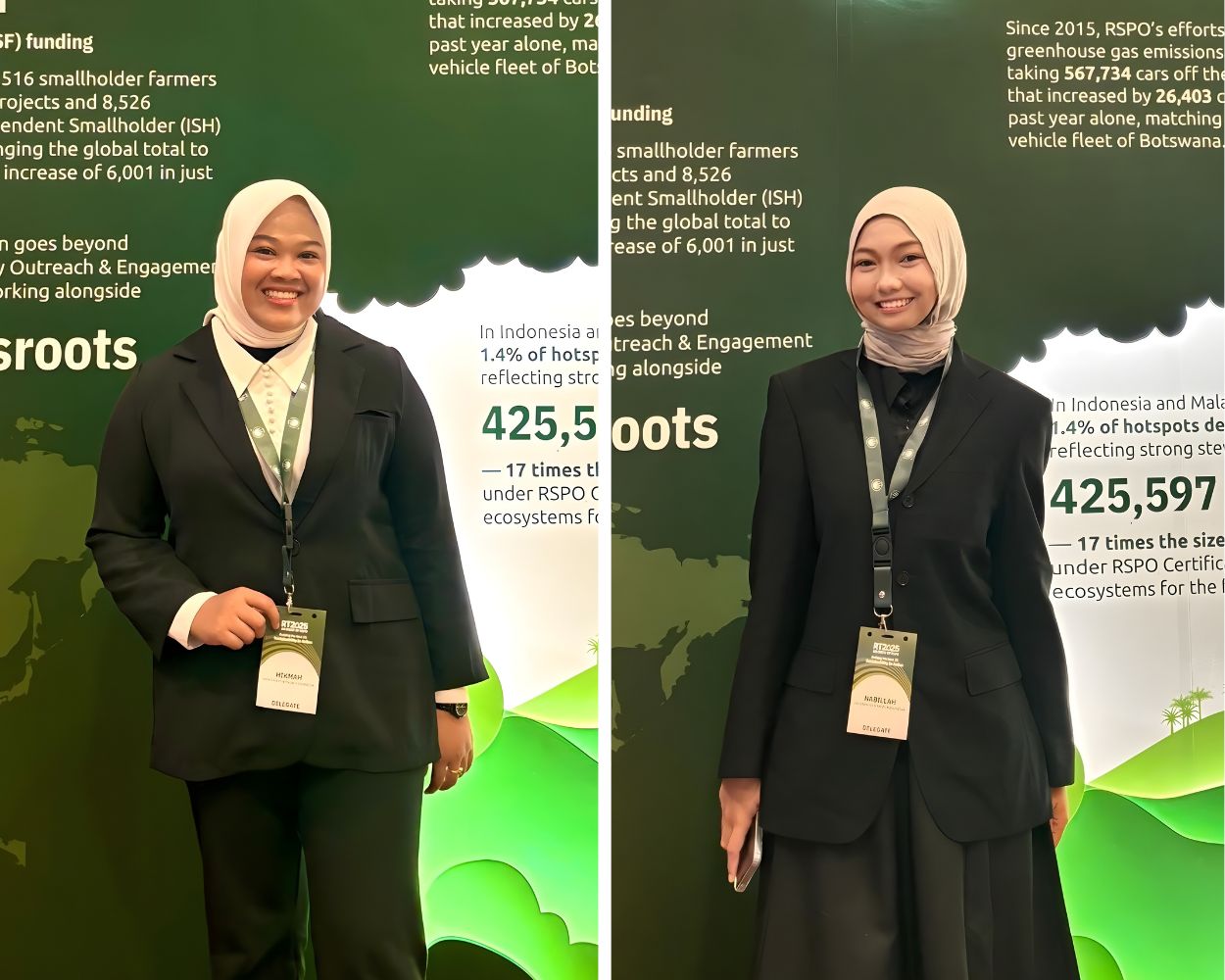
The two young content creators are Hikmah Yani Chaniago from Subulussalam, Aceh, and Nabillah Nissya Fadhilah from Yogyakarta. These two content creators are also FORTASBI ambassadors for one year, tasked with providing education to the younger generation in Indonesia.
- (0251) 8365959
- admin@fortasbi.org
- Jl. Artzimar III No.13B, Kec. Bogor Utara, Kota Bogor, Jawa Barat 16152